
News
Communities Lead the Way at UNION World Conference on Lung Health 2025
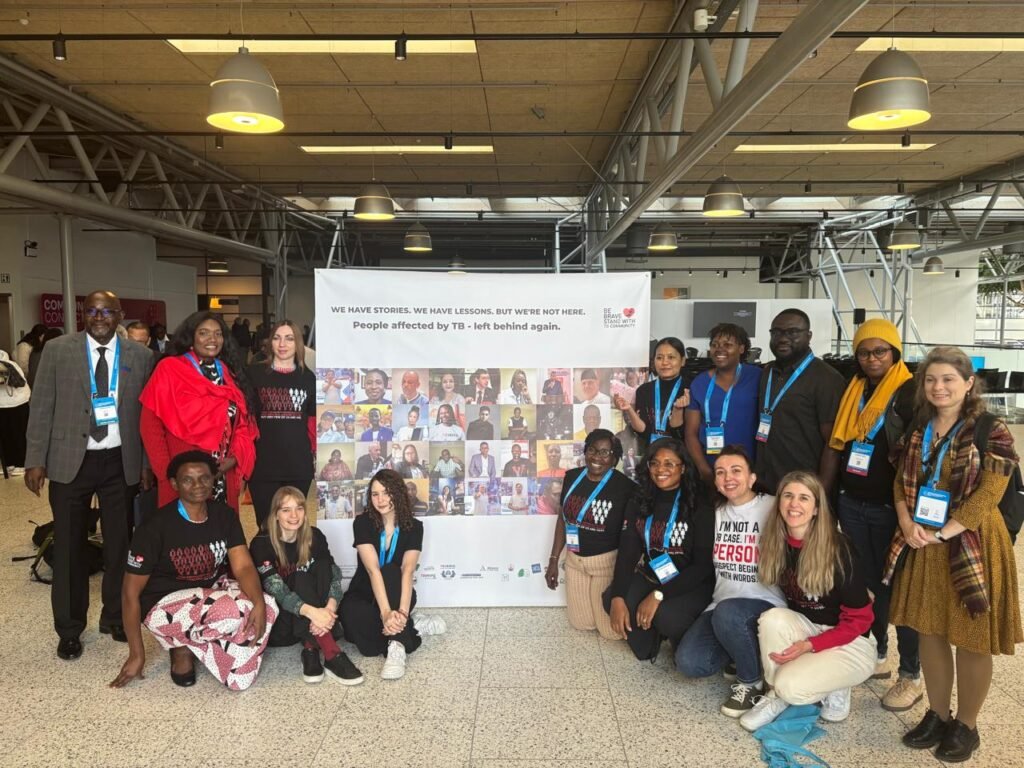
The Union World Conference on Lung Health 2025 brought together more than 4,000 participants from over 100 countries at the Bella Center in Copenhagen, Denmark. This global event reaffirmed the indispensable role of TB-affected communities and civil society in shaping health responses and accelerating progress toward ending TB.
Community Leadership in Action
Throughout the week, community leaders and advocates drove discussions on stigma reduction, mental health, gender equity, and sustainable funding. Among the prominent voices:
-
Olya Klymenko (TBpeopleUkraine, TBPeople) led panels on community-based TB screening and global funding accountability.
-
Aman Shukla (Younite Global) energized sessions on advocacy for nutrition in pediatric TB care and campaign development.
-
Oxana Rucsineanu (Societatea Moldovei împotriva Tuberculozei – SMIT) championed safe spaces for sharing TB experiences and community engagement in TB trials.
-
James Malar and Lucica Ditiu (Stop TB Partnership) emphasized strategic funding and civil society empowerment.
-
Rhea Lobo (Stop TB Partnership Community Delegation) inspired advocacy dialogues and storytelling initiatives.
Celebrating Community Champions
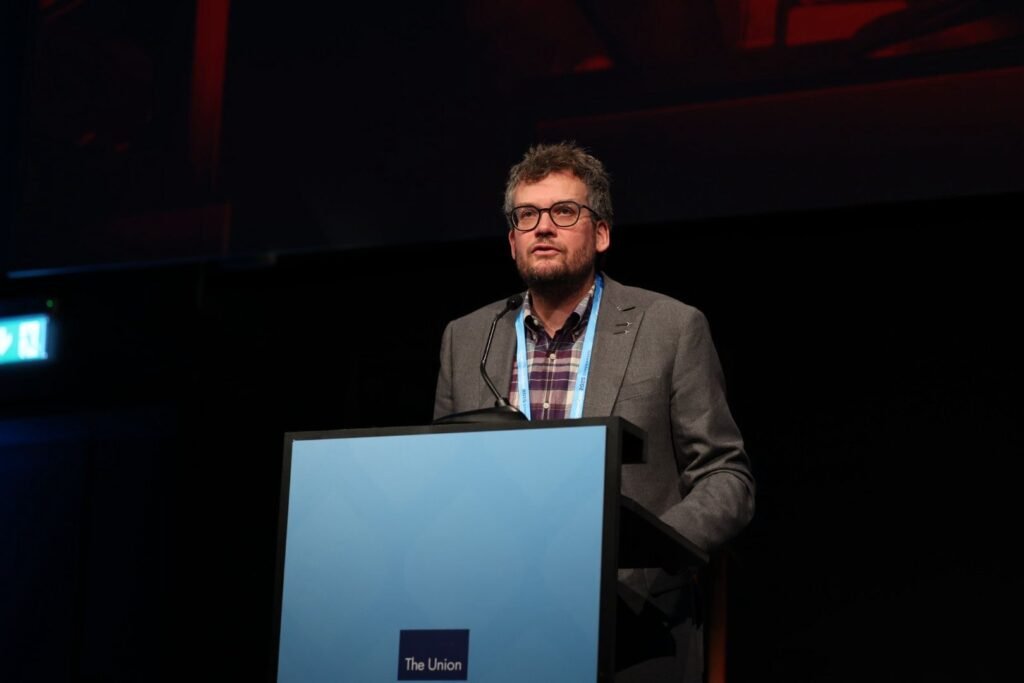
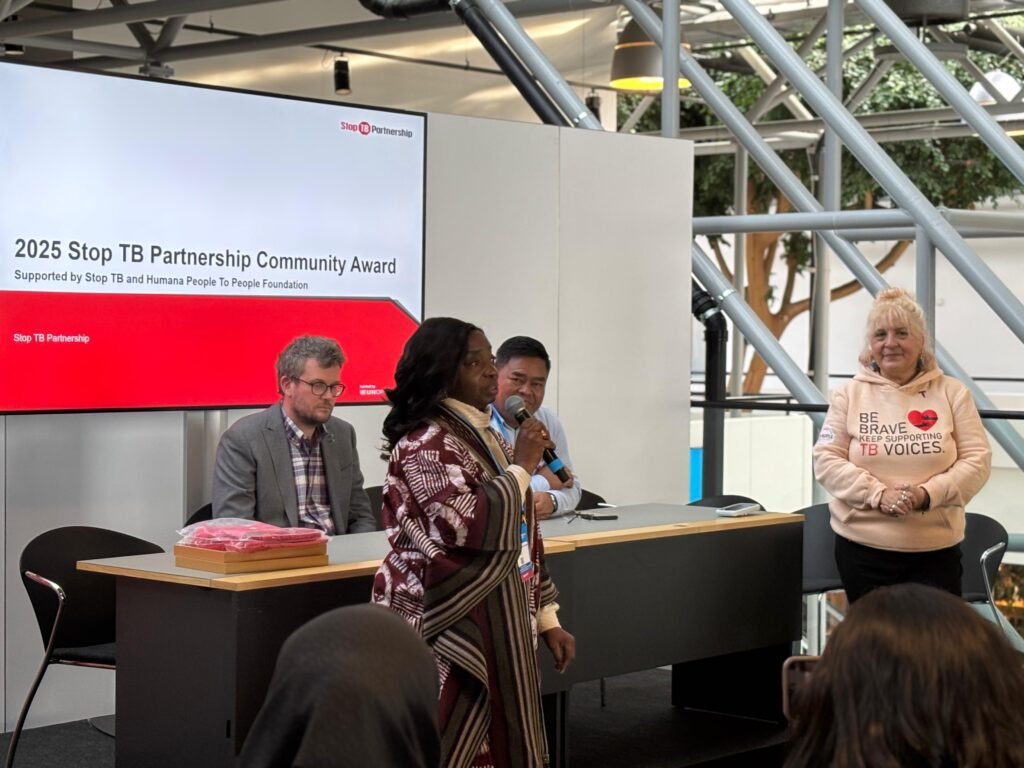
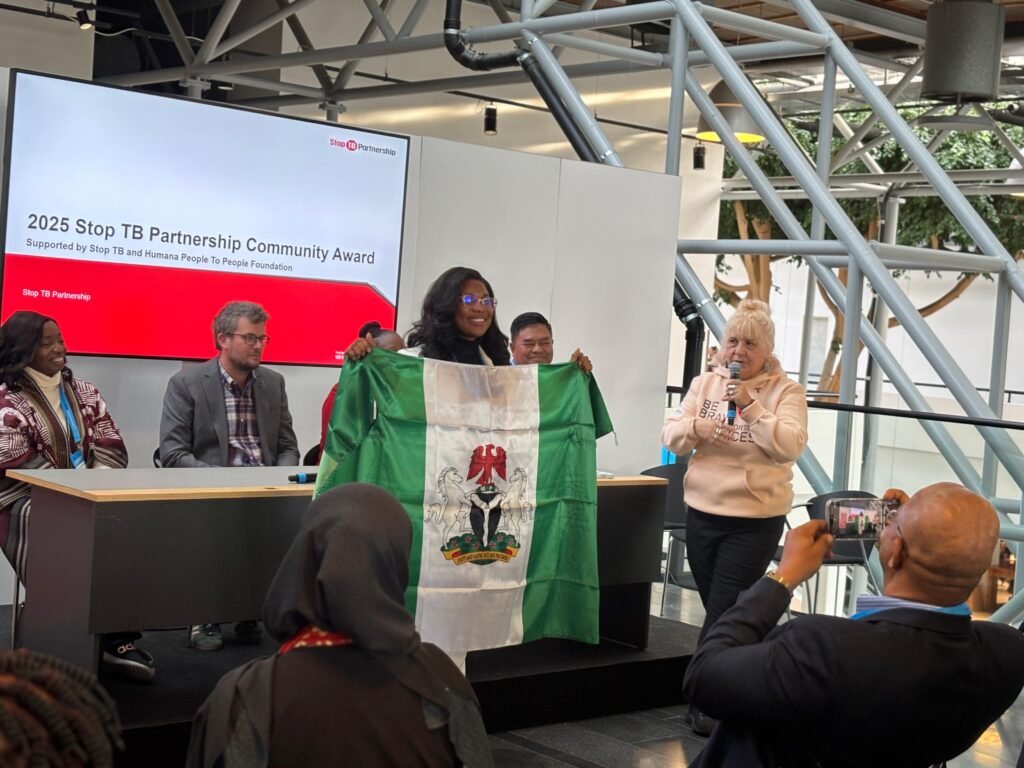
A major highlight was the Stop TB Partnership Community Award Ceremony, attended by Her Excellency Dr. Claudiana Ibijoke Sanwo-Olu, First Lady of Lagos State, and #1 New York Times bestselling author John Green.
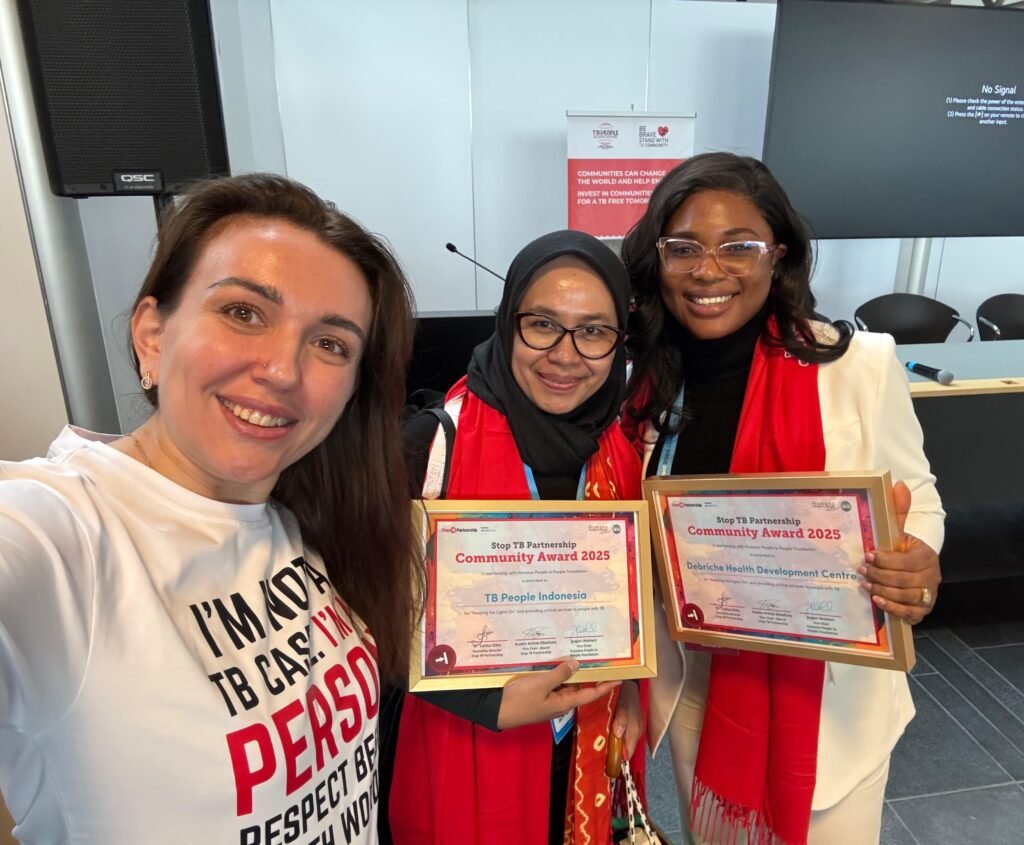
The award honored Ani Herna Sari, Chairperson of TB People Indonesia, and Mrs. Deborah Ikeh, Executive Director of Debriche Health Development Centre (Nigeria), for their outstanding contributions to advocacy and leadership.
This year’s award theme, “Keeping the Lights On and Providing Critical TB Services to People with TB,” recognized extraordinary resilience in maintaining essential TB services despite global challenges. In its sixth year, the award attracted 75 submissions from community and survivor-led groups across high TB-burden countries, with a total prize amount of USD 55,000.
Art and Symbolism
The conference featured powerful artistic expressions amplifying community voices:
-
“Empty Space” – a symbolic installation visualizing the absence of communities in decision-making.
-
Children’s drawings – “How TB Looks Through the Eyes of a Child”, offering a poignant perspective on TB’s impact.
-
“Shared Visions” – an art exhibition by Paulina Siniatkina (TBPeople) blending creativity and activism to inspire change.
Key Themes and Takeaways
Sessions explored stigma reduction, mental health, gender equity, and sustainable funding. Panels addressed global political and financial shifts, while workshops strengthened community roles in research and policy-making. Creative engagements, including films and storytelling, reinforced the message: “Nothing about us without us.”
The UNION conference reaffirmed that communities are not just participants—they are architects of solutions to end TB.
‘Hospitality’ – Art Against Stigma at the Union World Conference on Lung Health 2025
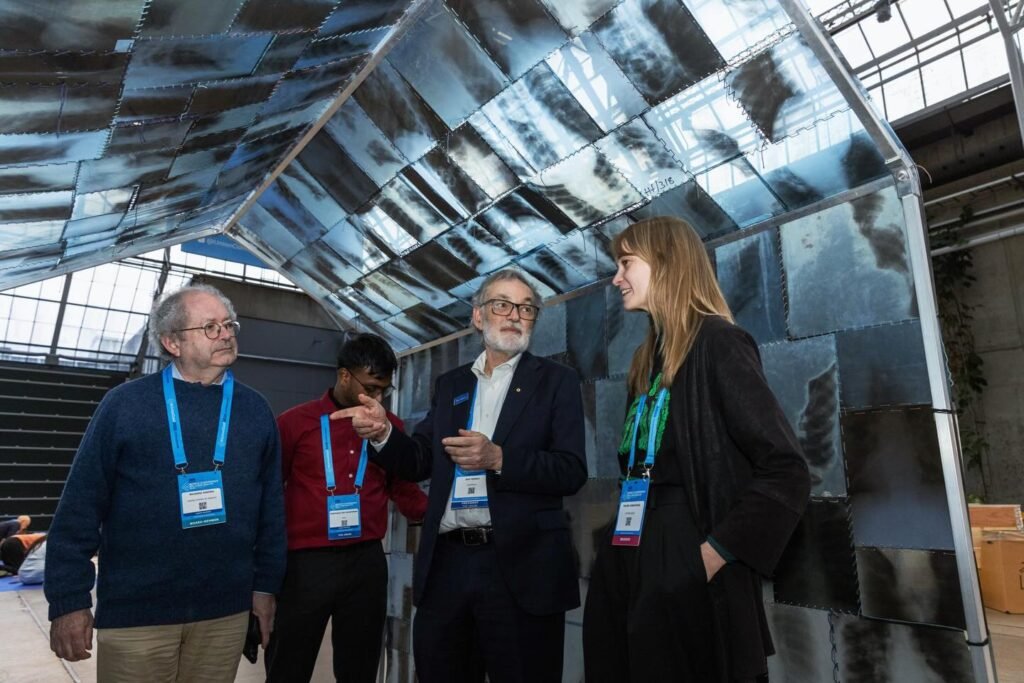
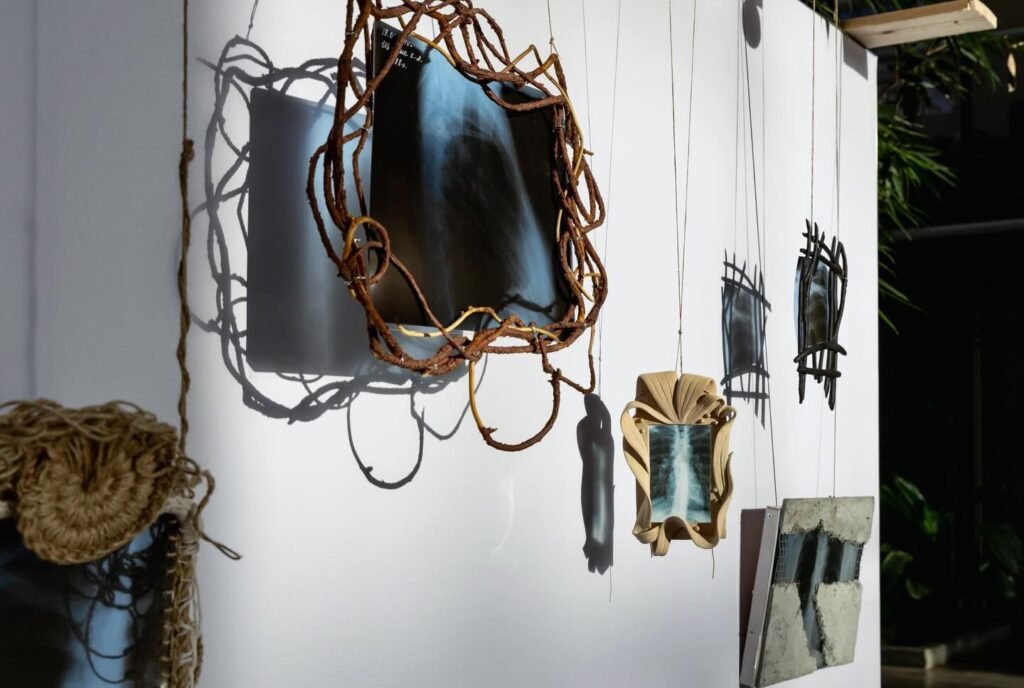
We were proud to present ‘Hospitality – Selected Works’, an exhibition by artist and TB survivor Paulina Siniatkina, at the Union World Conference on Lung Health 2025. This powerful project transforms hospital spaces and medical tools into symbols of resilience and hope, challenging stigma and inspiring dialogue.
Highlights of the Exhibition
-
See Through the Scars – Mixed media artworks turning TB X-rays into stories of healing and strength.
-
The House of Rays – An installation built from lung X-rays collected during TB REACH missions, creating a symbolic home that reminds us: care begins with visibility and shared humanity.
This was more than an art display — it was a call to action to de-stigmatize TB and empower communities.
About Paulina Siniatkina
Paulina Siniatkina is a member of TB people, contemporary artist and TB survivor whose work explores the intersection of health, identity, and social justice. Through her art, Paulina transforms personal experience into collective advocacy, using creativity to fight stigma and amplify the voices of people affected by TB. Her projects have been exhibited internationally and recognized for their unique blend of activism and aesthetics.
Paulina’s Reflections
“It’s been a very important step for the project Hospitality to share its preview with the global TB community at the Union World Conference — including my dear family: people affected by tuberculosis, as well as doctors, professors, scientists, and researchers. It was my priority to hear feedback, reflections, and ideas from people who work directly with TB before the project moves into its next stage.”
Paulina expressed gratitude for the incredible team and strong support surrounding this journey. She announced that the full exhibition of ‘Hospitality’ will be on view at Bradwolff Projects in Amsterdam, February–March 2026.
Special thanks went to John Green for visiting the exhibition and to the organizers and supporters who made this preview possible:
Stop TB Partnership, The Federation Humana People to People, TBpeople, AFK, We Jansen Fonds, MinXray, and KNCV Tuberculosis Foundation.
John Green Becomes TB People Ambassador
We are proud to announce that John Green, #1 New York Times bestselling author and global health advocate, has officially joined TB People as an Ambassador.
John Green is widely known for his novels such as The Fault in Our Stars, Looking for Alaska, and Turtles All the Way Down, which have touched millions of readers worldwide. Beyond his literary success, John has become a passionate voice for global health equity, using his platform to raise awareness about tuberculosis and other preventable diseases.
In his keynote address at the Union World Conference on Lung Health 2025, John shared his personal journey of learning about TB:
“In 2019… I didn’t know TB continues to be the leading infectious killer in the world, killing more than malaria, typhoid and war together.”
He emphasized the critical role of communities in the fight against TB:
“Community organisations are so essential in the treatment of TB… Fighting the disease is hard, fighting the stigma is harder.”
John’s words are a powerful reminder that advocacy, storytelling, and community voices are essential to ending TB. His commitment aligns perfectly with TB People’s mission to ensure dignity, protection, and access to care for every person affected by tuberculosis.
As an ambassador, John Green will help amplify the voices of TB survivors and communities, advocate for increased funding, and challenge stigma through global storytelling initiatives.
Join us in welcoming John Green to the TB People family! Together, we can make TB history.
Access to TB Medicines in Europe: From Political Will to Action
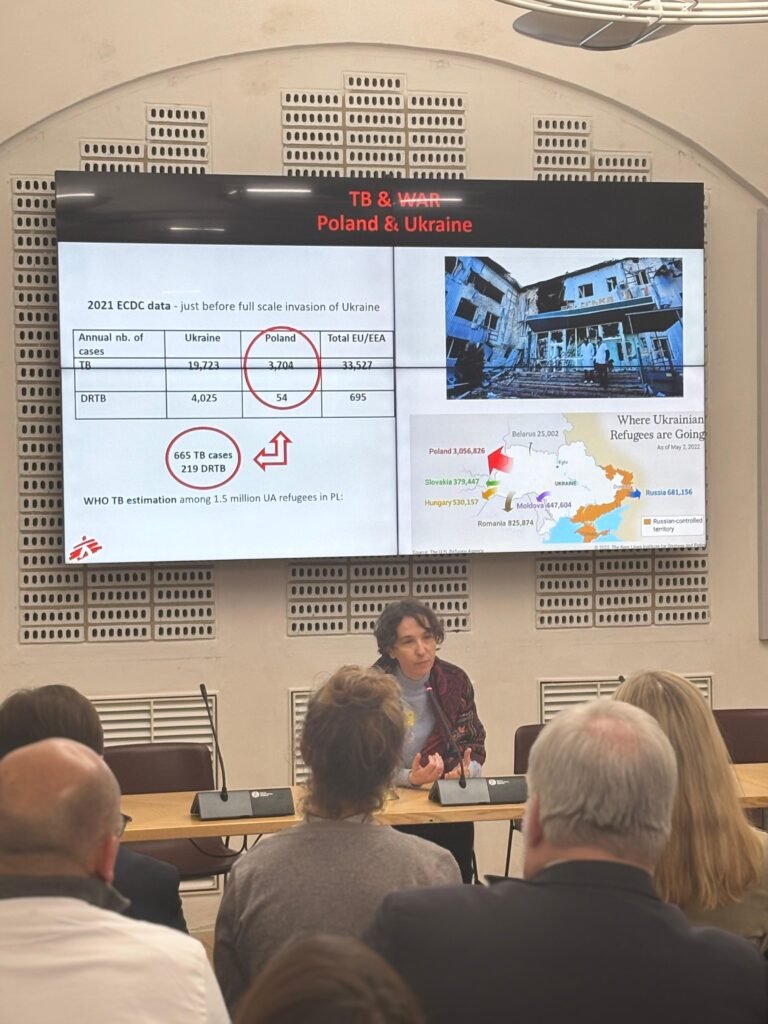
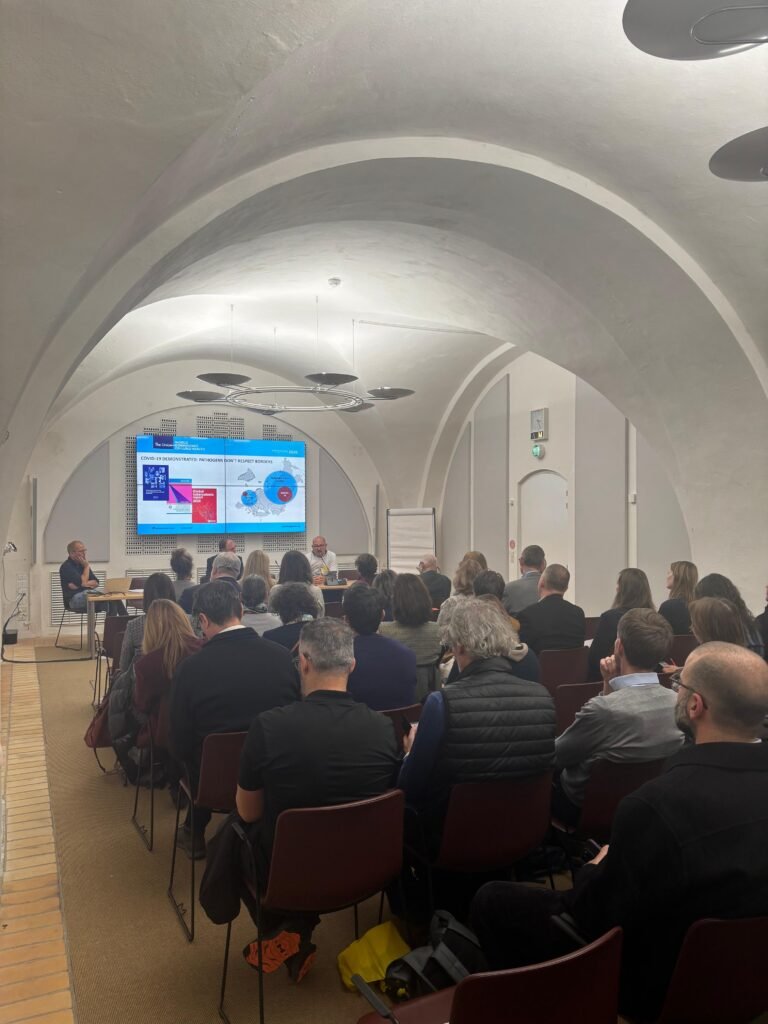
The Union World Conference on Lung Health 2025 is not only about discussions, but also about political decisions. That is why an accompanying event at the Danish Parliament in Copenhagen, ‘Access to TB medicines in Europe – from political will to action,’ became an important part of the conference.
The main goal of the event was to talk not only about political will, but also about real actions to overcome systemic barriers to access to tuberculosis treatment in Europe.
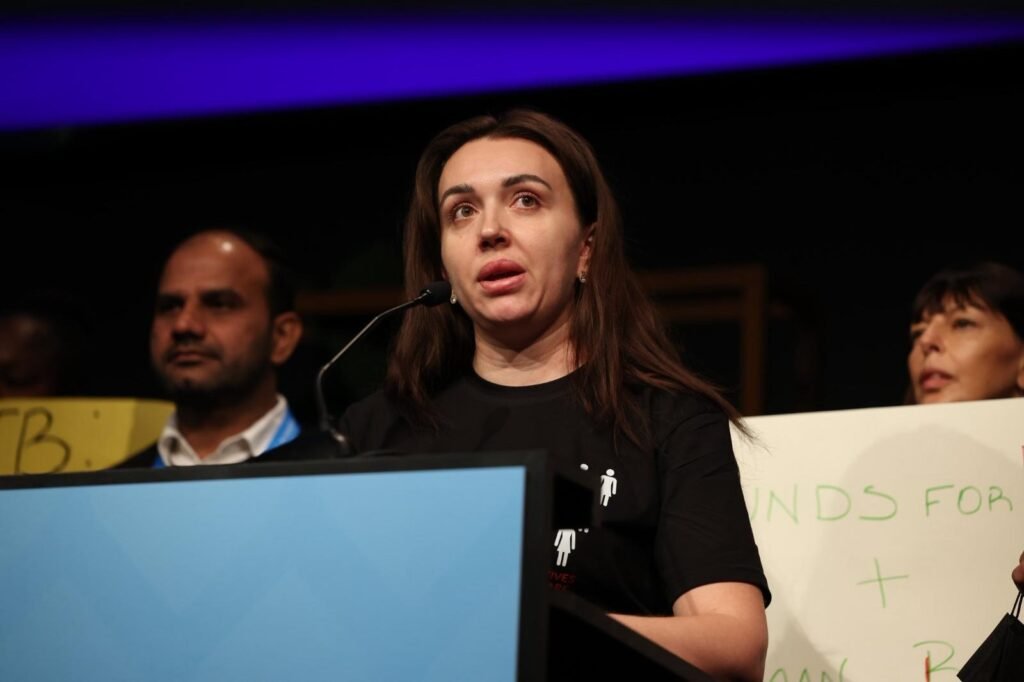
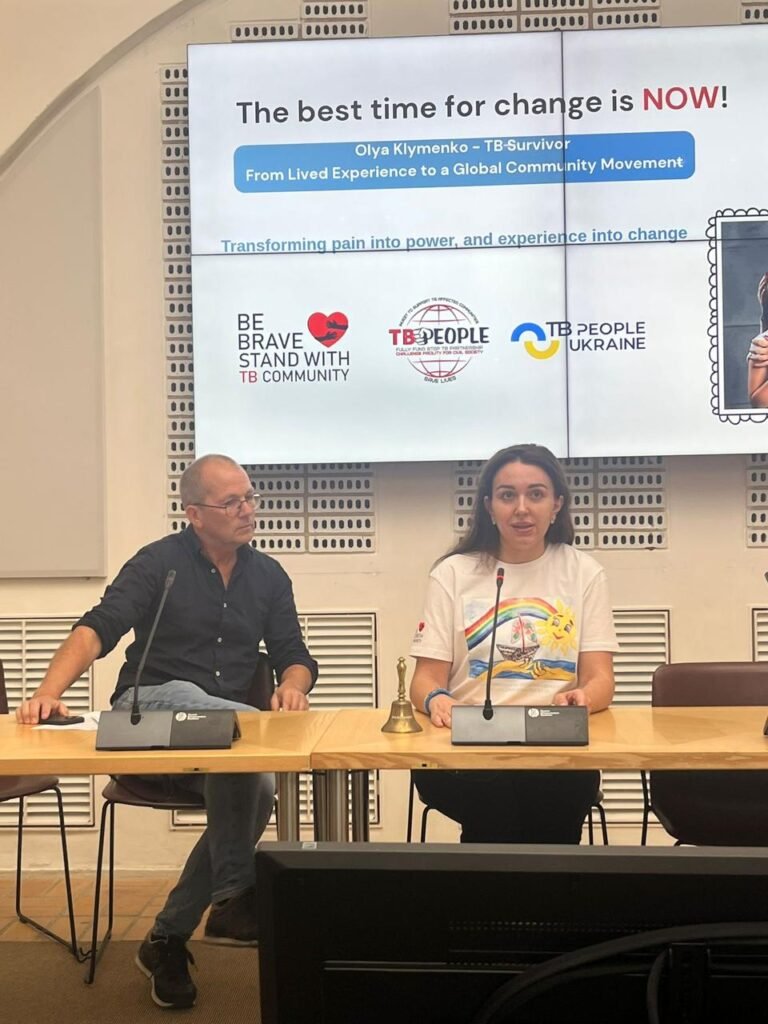
One of the opening speeches at the event was a personal testimony from someone who had gone through tuberculosis. That is why the voice of Olya Klymenko, Development Director at TBPeopleUkraine, was heard in the Danish Parliament. Today, she defends the right of every person to access treatment, support and protection without fear and stigma.
She spoke from the perspective of someone for whom tuberculosis is not an abstract statistic, but a point of no return in life:
“This was not a path I chose. It began on the day I was diagnosed with tuberculosis. Like many others, I knew almost nothing about TB because we still allow ourselves to think that “it happens to someone else”.”
In her speech, Olia talked about how she experienced humiliation, social isolation, job loss and the severe side effects of treatment. Her recovery took years — not only physically, but also psychologically, after a deep depression.
She spoke with particular pain about her daughter. About how her child went through this journey with her — in a system that saw a ‘TB case’ but did not see a person. This trauma, she said, has stayed with her daughter to this day. And perhaps the most frightening thing for any parent is the realisation that you cannot protect your own child, that you are powerless at that moment.
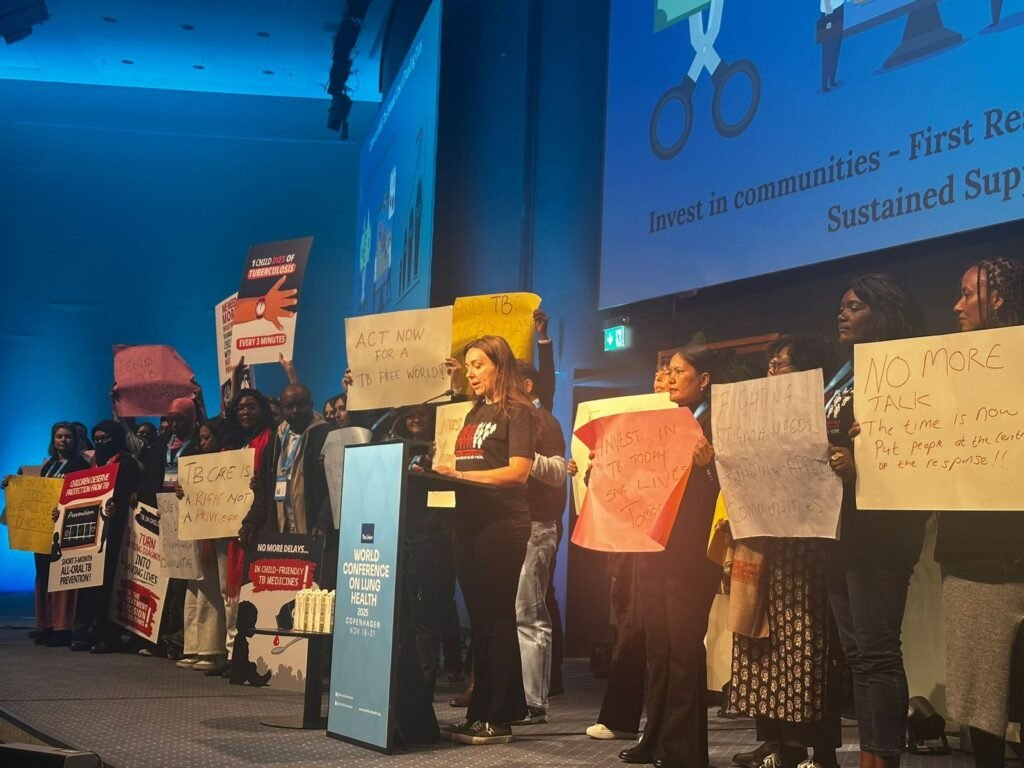
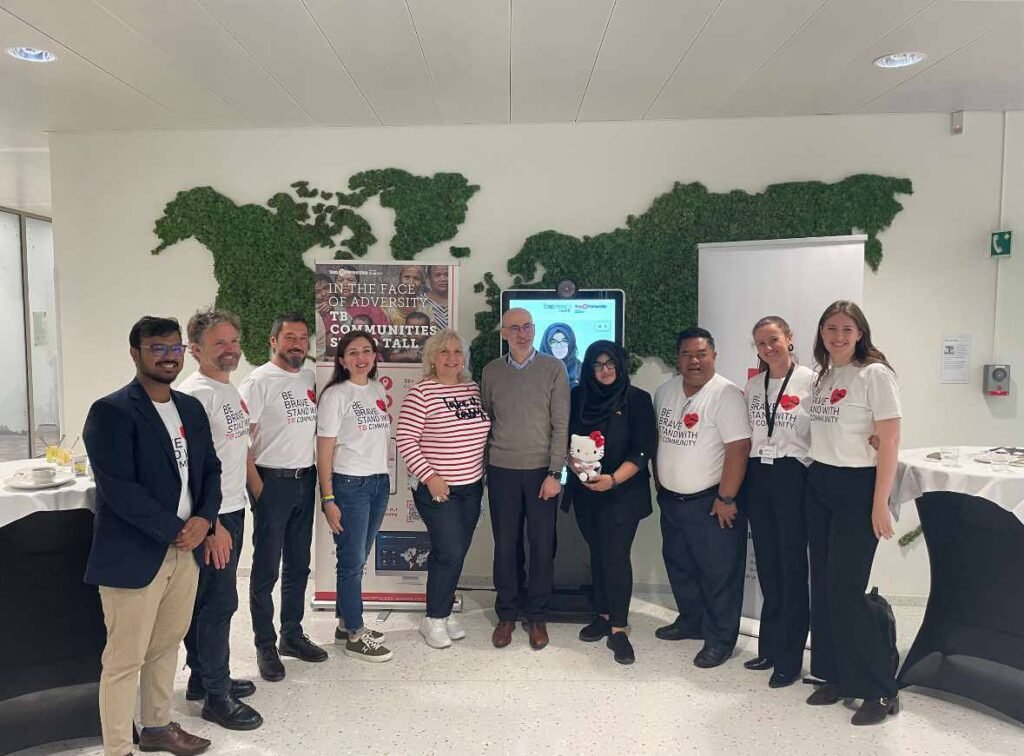
This theme was continued by a symbolic moment with T-shirts featuring children’s drawings. Olya thanked the participants for their solidarity on International Children’s Day and said that these drawings were created by children who had completed their treatment thanks to comprehensive support, including public support. At the same time, she stressed that today these opportunities are under threat due to political decisions — and therefore the future of other children is also at risk.
Olya moved from personal stories to the systemic dimension of tuberculosis. She stressed that despite advances in medicine, millions of people still do not have access to innovative treatment, and social, psychological, material, legal and political barriers turn treatment into a struggle for survival.
She also thanked the Danish people for their support of Ukraine, emphasising that political decisions have a very personal dimension. Despite the war, she consciously chooses to remain in Ukraine with her children every day because it is her home.
For our organisation, participating in such an event at the level of the national parliament of an EU country is a recognition of the voice of the TB-affected community, an opportunity to bring real-life experiences directly to policymakers, and another step towards a fair, people-centred response to tuberculosis in Europe.
We sincerely thank the organisers of the side event — Médecins Sans Frontières / MSF, the WHO Regional Office for Europe, AIDS-Fondet and the Danish Parliamentary Network on TB/HIV — for creating this important space for dialogue.
Special thanks to Olia Klymenko for inviting us to speak at the Danish Parliament and for the opportunity to bring the voice of the people directly to those who make decisions.
TB People Indonesia and Debriche Health Development Centre Win Stop TB Partnership’s 2025 Community Award
We are incredibly proud of Ani Herna Sari, Chairperson of TB People Indonesia, and Mrs. Deborah Ikeh, Executive Director of Debriche Health Development Centre (Nigeria), for their remarkable work and unwavering commitment to strengthening TB communities around the world in a particularly challenging year.
The Stop TB Partnership has announced the winners of the 2025 Community Award, which celebrates organizations that have shown extraordinary resilience in “Keeping the Lights On and Providing Critical TB Services to People with TB.”
Now in its sixth year, the award drew an impressive 75 submissions from community and survivor-led groups across high TB-burden countries. The total award amount of USD 55,000 was shared among the winners, co-funded by the Stop TB Partnership and Humana People to People Foundation.
The winners were honored on 18 November 2025 during the Union Conference on Lung Health (#UnionConf). The award was presented by author John Green and Her Excellency Dr. Claudiana Ibijoke Sanwo-Olu, First Lady of Lagos State.
This recognition highlights the extraordinary efforts of TB People Indonesia and Debriche Health Development Centre in continuing essential TB services—screening, diagnosis, prevention, treatment, and support—despite global funding challenges and operational barriers.
Learn more about the award and its mission: Stop TB Partnership Community Award Details
Communities Speak Out at the Union World Conference on Lung Health 2025
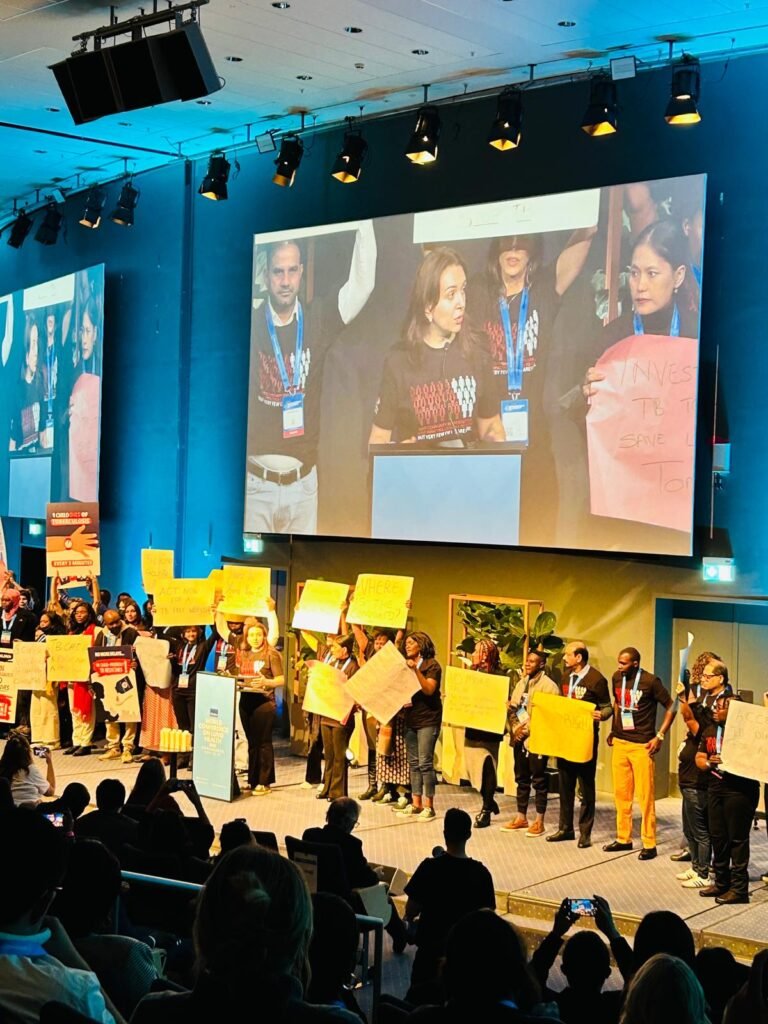
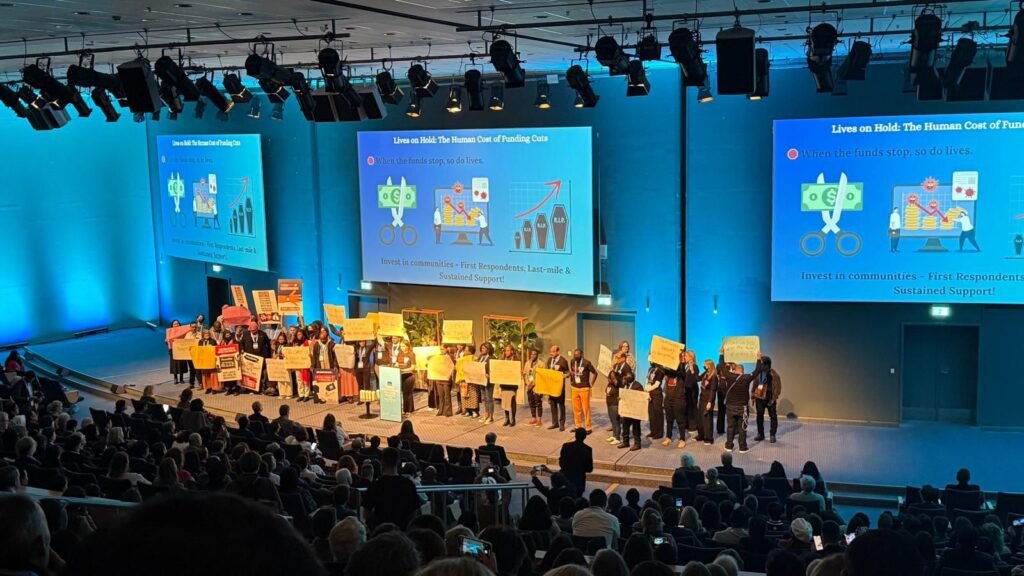
Today we share what was voiced from the stage of the Union World Conference on Lung Health 2025 — the voice of a community that lives with TB, fights for others, and refuses to let the world look away.
At the Opening Ceremony, TB survivors, people affected by TB, and civil society organizations from every region — Africa, Asia, Latin America, Eastern Europe — stood together to speak the truth.
The truth about what is happening right now:
People are dying, losing income, facing treatment alone, and unable to access support due to global financial cuts.
When funding disappears — so do lives.
We honored with a minute of silence everyone we have lost — and everyone still fighting. We stood shoulder to shoulder, including in solidarity with countries that could not be present because of conflict, budget cuts, or crisis. The empty spaces on that stage were not symbols. They were people.
Our collective statement to the world was clear:
- When communities are silenced — TB wins.
- The most vulnerable always pay the highest price.
- More than half of children with TB remain undiagnosed and miss out on lifesaving treatment.
- Stigma and discrimination continue to destroy lives.
- Social support — food, transport, even small assistance — saves lives.
- No vaccine or test can work without systems that trust people and include them.
- Funding cuts are not technical decisions. They are political decisions — and they cost lives.
We said:
👉 The world is stepping away from the values of solidarity exactly when they are needed the most.
👉 Global challenges require global responsibility.
If we truly want to end the TB epidemic, we need investments in communities — the first responders, the last-mile workers, the people who hold this response together every single day. Those who cannot afford to lose hope.
At the end, we repeated the words that have become our collective symbol:
“It’s now or never — if you are with us, stand up and show you care.”
This was not just a statement. It was a moment when our shared truth echoed across the world. And we will keep speaking — until every person, every child, every family receives dignity, protection, and a real chance at life.
Together from Manila and Beyond — We Can End TB
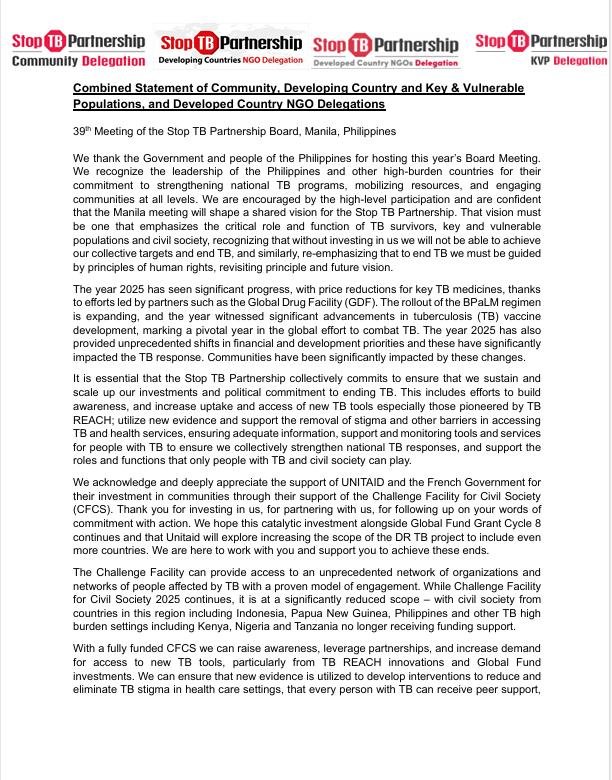
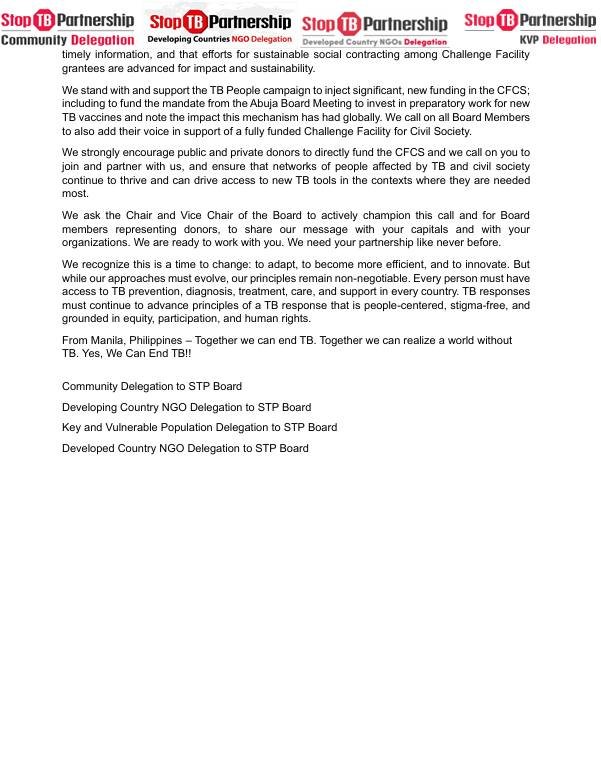
The 39th Stop TB Partnership Board Meeting took place in Manila on October 28-30, 2025. At this meeting, TB-affected communities and civil society groups shared a joint statement. This message came from the Key & Vulnerable Population Delegation, Community Delegation, Developing Countries NGO Delegation, and Developed Country NGOs Delegation.
The statement calls for:
- Keeping communities at the center of the TB response
- Strong political commitment
- Fair and sustainable funding
- Support for community-led programs like the Challenge Facility for Civil Society (CFCS), which helps make TB programs more accountable and inclusive
We thank the Stop TB Partnership Board for ensuring community voices were heard, and our partners — Unitaid, the Government of France, the Global Drug Facility, and the Stop TB Secretariat — for investing in community systems.
Now we ask all donors, public and private, to increase and sustain support for community engagement. No country or community should be left behind.
Geneva Just Marked a Turning Point for the TB Community
In May 2025, in the heart of Geneva, we opened
a new chapter in how we support people affected by tuberculosis. It wasn’t just a presentation — it was a milestone for the entire TB movement.
With the support of the Stop TB Partnership, we unveiled the first demo version of the OneImpact virtual assistant. Despite all the challenges, we’re steadily moving toward the goal we set back in 2023.
That year, at the Union World Conference on Lung Health, we made a bold statement: people living with TB deserve more than treatment — they deserve modern, human-centered support. Not someday. Now.
Because in today’s world, digital tools are part of everyday life — and it’s
time they became part of TB care too.
OneImpact is
another step forward. Despite war, stigma, and limited resources, we’ve built a
demo version. And we did it together:
- with a community that never backs down,
- with partners who believe in people,
- with a team that refuses to stop.
During The Global Fund Board Week, we showcased
how communities in Ukraine, Cambodia, DRC, and Pakistan are not just using
digital tools — they’re leading the way in making services accessible, even in
the hardest times.
We proved it: investing in communities is not
charity. It’s about ensuring that even in the darkest moments, people still
have light beside them.
OneImpact is:
- a voice of support when everything else is silent,
- care built on trust, not control,
- a hand to hold when fear takes over,
- simple words and smart solutions — right when they’re needed.
It’s more than technology. It’s about dignity, presence, and solidarity — especially when systems fall silent. Communities are building solutions, adapting them to reality, and staying present — even in the middle of war.
They are the light that never fades. And we must protect it.
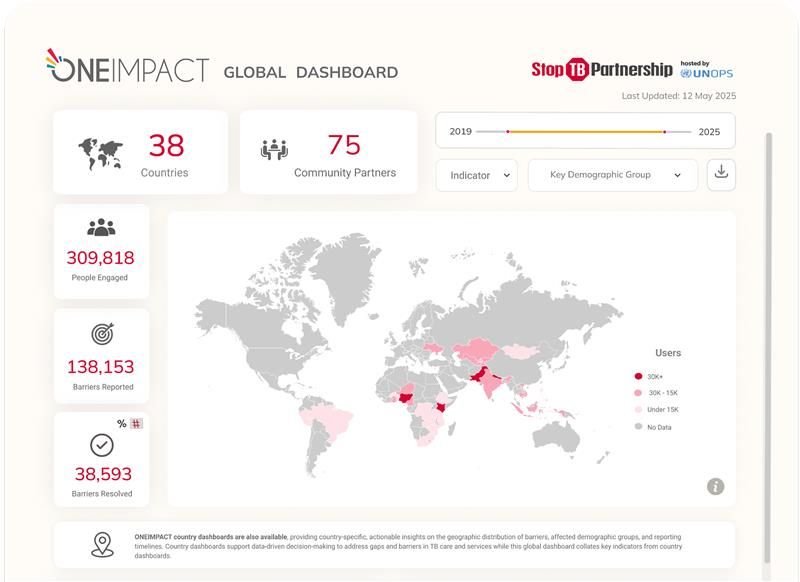
Community-Led Monitoring – a Catalyst for Transforming the Global TB Response is now at risc
Tuberculosis is an infectious disease that is both curable and preventable – a reality that should be within reach for everyone, now and for future generations. Yet each year, more than one million people — including children — continue to lose their lives to TB. Over half of those affected remain beyond the reach of national health systems, unable to access timely diagnosis, treatment, or support. In response to these global challenges, community-led approaches have emerged that are rooted in lived experience and designed to identify and dismantle systemic barriers across the entire continuum of TB care.
Due to undergoing significant and rapid change in the external financing landscape for global health, the Global Fund announced a set of measures to adjust the implementation plans for the current country grants. There is a risk that community-led monitoring (CLM) programs will be excluded from the Global Fund support. We note that CLM programs were developed to document systemic barriers and work in partnership with national TB programs to address them. At its core, CLM centers the voices of people affected by TB — ensuring they are not only heard, but actively involved in designing and improving services, from diagnosis to cure.
CLM restores agency to people affected by TB. No longer passive recipients of care, they become active participants – evaluating services, identifying challenges, and shaping solutions. This fundamentally shifts the logic of the system: from treating disease to upholding human dignity. By capturing real-time, ground-level data, CLM exposes not only medical gaps – such as access to diagnostics and treatment – but also social and structural determinants that traditional systems often overlook: transportation challenges, stigma, unemployment, housing insecurity, and more. In doing so, CLM reframes TB not just as a health issue, but as a matter of human rights.
Through platforms like OneImpact, communities have evolved into trusted accountability partners, identifying service gaps and driving timely, targeted responses. CLM also enables integrated, multisectoral support – connecting people to psychosocial, legal, nutritional, and informational resources that are essential for treatment adherence and better health outcomes. Most importantly, advocacy powered by CLM data has led to meaningful change – from national budget reallocations to global policy reforms and the adoption of more person-centered, responsive TB services.
We, the TBpeople Global network — a coalition of TB survivors and community leaders from 26 countries — are also increasingly concerned by the growing trend of leaving communities most impacted by the diseases outside of the Global Fund grants reprioritization and revisions processes. While CCM, government leadership and cross-sector collaboration are essential, TB funding decisions must be guided by inclusive, multisectoral engagement that directly involves affected communities and civil society organizations. This approach is critical to ensure that investments effectively address real-life barriers and reach the people who need them most. Without sustained, independent investment in community-led programs — including TB survivor networks like TBpeople — we risk losing the hard-won, life-saving structures that have been built over many years.
We call on all stakeholders to recognize community-led monitoring as a life-saving intervention. The Stop TB Partnership Life-Saving Interventions document and the Global Fund Essentials toolkit explicitly identifies TB community-led monitoring as an essential service, on par with:
- Universal access to rapid molecular diagnostic
- Access to all WHO-recommended drug regimens for both drug-sensitive and drug-resistant TB
- Psychosocial support and community-based care
- Legal aid and anti-discrimination mechanisms
Community-led responses are not a luxury — they are critical infrastructure. In crises such as the war in Ukraine or the COVID-19 pandemic, community networks have consistently demonstrated their ability to reach further and act faster than formal systems.
We urge the Global Fund, donors, and governments to take the following actions to strengthen and sustain community-led TB responses:
- Ensure meaningful, inclusive consultations with TB-affected communities in setting national priorities and making funding decisions, recognizing their lived experience as essential expertise
- Protect and expand funding for TB survivor-led organizations and community-led monitoring mechanisms as integral pillars of an effective and equitable TB response.
- Establish dedicated, independent investment streams for community-led programs that complement – but are not dependent on – government systems.
- Promote strategic, non-competitive collaboration across the TB, HIV, and malaria communities, acknowledging the shared challenges and interconnected nature of these epidemics.
We are united in one mission: to continue saving lives and end a curable and preventable disease — tuberculosis — for generations to come.
TBpeople Global Network
Secretariat and representatives from:
Azerbaijan, Botswana, Cambodia, Cameroon, Côte d’Ivoire, DRC, Eswatini, Georgia, Ghana, Guinea, India, Indonesia, Kazakhstan, Kenya, Kyrgyzstan, Moldova, Nepal, Nigeria, Pakistan, Philippines, Tajikistan, Uganda, Ukraine, Uzbekistan, Zimbabwe, Vietnam
YOUNITE Global – A Global Youth Network for TB
TB people Zimbabwe community event
We are thrilled to share the highlights from our recent community event where TB Survivors, TB Champions, and supporters gathered to celebrate the incredible progress made in overcoming barriers to ending TB at the community level. This event showcased the vital role everyone plays in this fight, regardless of financial resources.
Key Highlights:
Inspiring Stories: TB Survivors and Champions shared their powerful stories of resilience and determination, demonstrating that together, we can overcome any obstacle.
- Solidarity Messages: Stakeholders delivered heartfelt messages of solidarity, emphasizing how everyone can commit, invest, and deliver on the promise to end TB.
- Community Spirit: The event highlighted the importance of community-driven efforts and the impact of collective action in the fight against TB.
- Exhibition: Community organizations showcased their incredible work, providing insights into their efforts and achievements in the fight against TB.
We are proud of the Tbpeople Zim for their unwavering dedication and hard work. This event is a testament to the strength and unity of our community, proving that with or without lots of money, we can make a significant difference.
Let’s continue to support each other and work together to end TB once and for all!
People-to-People Learning Report on the impact of the USAID
The report outlines critical disruptions, including:
- Treatment interruptions and increased risks of TB transmission
- Workforce reductions and loss of community-based health services
- The growing threat to vulnerable populations, including PLHIV, PWID, young people, and migrant communities
- The urgent need for global investment and advocacy to sustain TB elimination efforts
This document serves as a powerful testimony of how abrupt funding decisions impact real lives and communities. We urge you to review the attached report and join us in advocating for immediate action to restore funding, protect lives, and reinforce global TB elimination efforts.
Attached: People to People Learning (PPL) on USAID Stop-work Order Impact on TB Report:
Cuts in US funding
We are deeply concerned about the recent abrupt cuts in US funding for tuberculosis (TB) programs, which pose a significant risk of increasing drug-resistant TB cases.
The sudden withdrawal of financial support has left many TB initiatives in jeopardy, potentially reversing years of progress in the fight against this deadly disease.
Read the full article
https://cutt.ly/1ryQcmo7
Timur Abdullaev, a board member of TBpeople Global, said that the US funds cut had caught the TB community off guard and also revealed that “some essential elements of national TB programs appeared to be run fully by USAID – US Agency for International Development”
“Unfortunately, we see exactly the same overly confident reliance on the Global Fund,” warned Abdullaev.
“Protecting the lives of a country’s citizens is the responsibility of the country, not that of external donors or technical partners. Not being prepared for the loss of an external donor – even as large as USAID – and the failure to respond quickly to the resulting crisis is simply criminal.”
Coordination call with TB people's country chapters and Stop TB Partnership
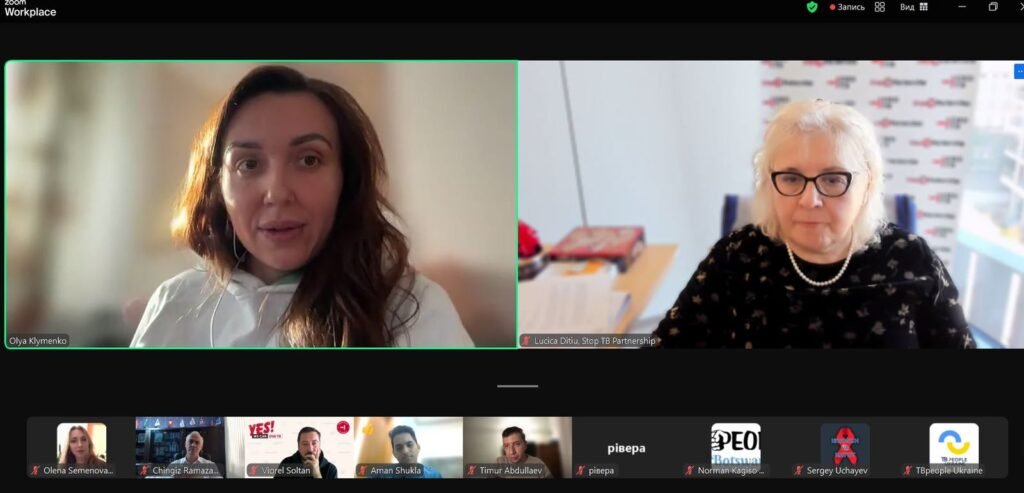
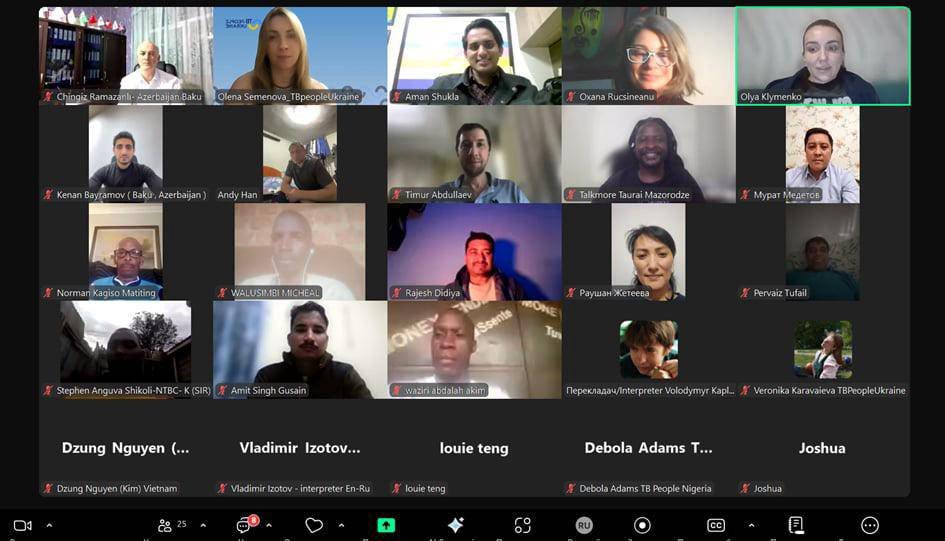
On March 5, 2025, we held an insightful online coordination call with our country chapters and Stop TB Partnership to discuss the impact of political changes on health policies and our shared goals for the future. The meeting was filled with determination and solidarity as we navigated these challenging times together.
Key Highlights:
TB people community coordinator Olya Klymenko initiated the meeting by highlighting the need for unity and resilience among the TB People community as they navigate difficult circumstances. She presented the agenda focused on future plans and actions, particularly for March, and thanked the StopTB team for their support. “Political transitions can devalue ongoing efforts in health care, but we must align our messages and policies to effectively communicate our agenda. There is still an audience that values our programs, and support can be found.”
Stop TB Partnership’s executive director Lucica Ditiu shared an update on our funding situation: “We are in a waiting phase for further clarification on funding access. It’s crucial to demonstrate the contributions of civil society to the TB response, especially to our U.S. stakeholders.”We also discussed the importance of preparing for World TB Day and maintaining our advocacy efforts. As Lucica Ditiu put it: “We need to showcase the life-saving work of our grantees and ensure that the value of our work is communicated effectively, despite the challenges posed by the current political climate.” Additional Points Discussed:
TB Response and Funding Challenges: Lucica Ditiu emphasized the need to organize meetings to align agendas and advocate for continued support, while acknowledging the challenges posed by the current political climate.
Updates on TBpeople Initiatives and Challenges: Lucica Ditiu shared critical updates on the status of TBpeople initiatives, stressing the importance of keeping the community informed. Olya Klymenko expressed concerns about the emotional toll of recent political decisions on the community and the risk to vital programs.
Strategies for Strengthening Local TB Activism and Funding: Pervaiz Tufail (TB people Pakistan) highlighted the reliance on a limited number of donors for TB eradication and called for increased local activism and government engagement to secure independent funding. Olya Klymenko outlined plans for strategic appeals to governments and donors.
Resource Mobilization Strategies for TB Initiatives: Tariro Kutadza (Tbpeople Zim) shared her frustrations about the difficulties in securing funding for TB initiatives in Zimbabwe and suggested creating a resource mobilization acceleration plan.
TB Program Challenges and Community Engagement: Stephen Anguva Shikoli (Kenia) highlighted the significant challenges the TB program is facing, particularly due to funding cuts, and emphasized the need for community engagement to address these gaps.
Strategies for Engaging Donors and Governments: Olya Klymenko outlined a dual approach to engage donor countries and national governments about TB support, with practical recommendations from James Malar on drafting effective funding requests.
Thank you to everyone who participated and for your continued dedication to the fight against tuberculosis. Together, we remain visible and strong in our advocacy efforts. ![]()
MEETING OF THE BOARD of THE GLOBAL FUND
26 November 2024, the Board of The Global Fund to Fight AIDS, Tuberculosis and Malaria held a meeting. As noted in the press release https://cutt.ly/4eZLjl1w, “At the meeting held in Lilongwe (Malawi), the Global Fund adopted an unprecedented set of decisions to strengthen resilience and prepare for the eighth replenishment. Policy changes were made to increase the share of funding for TB and malaria, as well as to support sustainable progress in combating these diseases.”
We do not share the joy expressed in the press release. In our opinion, by talking about increasing the share of funding for TB and malaria, the Global Fund is presenting wishful thinking as reality. For TB funding to actually increase, the Global Fund needs to replenish its funds by at least $13.5 billion, which is highly unlikely. The last time the Global Fund tied the share of TB funding to the outcomes of fund replenishment, TB received 18.6% instead of 18%.”Unfortunately, the Global Fund remained deaf to the demands of the global TB community to increase funding to 33%.
At best, TB will receive 25%, which still will not be a fair distribution of the Global Fund’s resources among the three diseases. However, under the formula adopted by the Board, TB has as much chance of getting 25% as I have of walking out and meeting Marilyn Monroe,” noted Timur Abdullaev, Board Member of TBpeople Global. “We are unlikely to see a fair distribution of the Global Fund’s resources among the three diseases until the Global Fund Board ensures meaningful representation and participation of the TB community.
This requires two things: on the one hand, TB stakeholders must be meaningfully represented in all sectors and delegations of the Board, and on the other hand, the Board must allocate separate seats for communities affected by the three diseases and key and vulnerable populations. After all, if this is the approach the Global Fund promotes at the country level (where the country coordinating mechanism must include representatives of all affected communities and key populations), why does one person on the Global Fund Board represent people living with HIV, people affected by TB, people affected by malaria, and key and vulnerable populations?” added Timur.
It is with great sadness that we announce an irreparable loss to the entire TB community — the founder of Partners In Health, a Man Who Would Cure the World and an honorary member of TBpeople Dr. Paul Farmer, unexpectedly passed away today in his sleep while in Rwanda.Dr. Farmer was 62 years old.We join in the words of sorrow and condolence from all corners of the world where Paul Farmer was known and appreciated!There is an excellent book about him, “Mountains Beyond the Mountains.” I love it very much. In the meantime, you can read about the book – and about Dr. Farmer on “Such Things”
Project “Pathways for infection and prevention of tuberculosis and other infectious diseases” in Azerbaijan
From 01.02.2022 to 01.05.2022 in Baku (Azerbaijan) the country partner of global network TB PEOPLE, NGO “Veremsiz Heleja Dogri” (Towards a Tuberculosis Free Future) is implementing the project “Routes of infection and prevention of tuberculosis and other infectious diseases” financed by the State Support Agency for Non-governmental organizations.
In the course of the project, educational activities were conducted among TB patients under treatment at TB dispensaries. Visits were made to families of TB patients receiving outpatient TB treatment at home.
During the event, we discussed ways of transmission of infectious diseases and their prevention with patients, provided them with valuable advice on infection control, distributed educational materials published as part of the project to patients, and sent thematic posters to the hospital. An animation and educational video was shown and patients’ appeals on social security were heard.
The organization is preparing a package of recommendations to the governing body of TABIB (Association for Management of Medical Territorial Units). We express our gratitude to the Agency of State Support to Non-Governmental Organizations of the Republic of Azerbaijan.

TBpeople Global is among 31 organizations worldwide to receive a Challenge Facility (CFCS) for 2020.
Fantastic news! The Stop TB Partnership has announced the successful grantees for the Challenge Facility for Civil Society (CFCS) 2020! TBpeople Global, as well as our country chapter in Ukraine, TBpeopleUkraine, are among the 31 organizations from 13 countries and six regions who will receive grants ranging from USD 20,000 to USD 100,000.
CFCS grants will support community and civil society actors at national, regional and global levels to implement key actions to achieve the targets and commitments made in the UN High-Level Meeting Declaration on TB. In recent years many countries identified community, rights, and gender (CRG) barriers faced by TB affected communities. CFCS grants will cover a range of activities to address these barriers.
Congratulations to all grantees!

TBpeople are the proud recipient of the Stop TB Partnership’s Empowering Community Voices 2019 Award.
The 50th World Conference on Lung Health was full of events and highlights, but one thing stands out for TBpeople: our very first award!
At the Human Rights Awards Dinner, TBpeople received the Stop TB Partnership’s Empowering Community Voices 2019 Award for “dedication to TB survivors and people affected by TB through community mobilization and human rights activism”.
It was so exciting to see how many of our members and friends rushed to the stage when the award was announced! But no matter how much we appreciate that our efforts were recognized, we are aware of the tremendous amount of work that needs to be done to strengthen the community of people affected by TB and turn it into a truly global movement, and to make sure that rights of people affected by TB become a reality.
In May 2025, in the heart of Geneva, we opened
a new chapter in how we support people affected by tuberculosis. It wasn’t just a presentation — it was a milestone for the entire TB movement.
With the support of the Stop TB Partnership, we unveiled the first demo version of the OneImpact virtual assistant. Despite all the challenges, we’re steadily moving toward the goal we set back in 2023.
That year, at the Union World Conference on Lung Health, we made a bold statement: people living with TB deserve more than treatment — they deserve modern, human-centered support. Not someday. Now.
Because in today’s world, digital tools are part of everyday life — and it’s
time they became part of TB care too.
OneImpact is
another step forward. Despite war, stigma, and limited resources, we’ve built a
demo version. And we did it together:
- with a community that never backs down,
- with partners who believe in people,
- with a team that refuses to stop.
During The Global Fund Board Week, we showcased
how communities in Ukraine, Cambodia, DRC, and Pakistan are not just using
digital tools — they’re leading the way in making services accessible, even in
the hardest times.
We proved it: investing in communities is not
charity. It’s about ensuring that even in the darkest moments, people still
have light beside them.
OneImpact is:
- a voice of support when everything else is silent,
- care built on trust, not control,
- a hand to hold when fear takes over,
- simple words and smart solutions — right when they’re needed.
It’s more than technology. It’s about dignity, presence, and solidarity — especially when systems fall silent. Communities are building solutions, adapting them to reality, and staying present — even in the middle of war.
They are the light that never fades. And we must protect it.